Sports Therapy & Manual Therapy
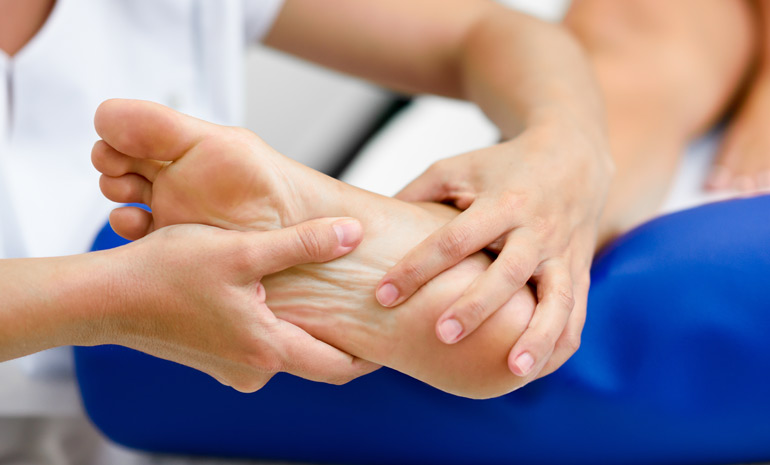
Sports and manual therapy use a range of hands-on treatment techniques to help manage muscular pain, tightness and restrictions in movement.
At Prana Sports Injury Clinic, manual therapy is tailored to your individual needs. Treatment can range from broader sports massage and recovery work to more targeted techniques aimed at specific muscles and soft tissues.
Depending on your assessment and symptoms, treatment may include:
- Sports massage
- Advanced soft tissue techniques
- Myofascial techniques
- Trigger point therapy
- Soft tissue mobilisation
- Assisted stretching and mobility techniques
- Targeted treatment for muscular tightness and discomfort
- Techniques to support comfortable movement and rehabilitation
Sports and manual therapy can be used for muscular tightness, training-related soreness, restricted movement and general recovery, or incorporated into a wider sports injury rehabilitation programme.
Our approach combines hands-on treatment with movement, exercise and rehabilitation where appropriate, helping you address the problem rather than relying solely on passive treatment.
Move better. Recover well. Get back to doing what you enjoy.