
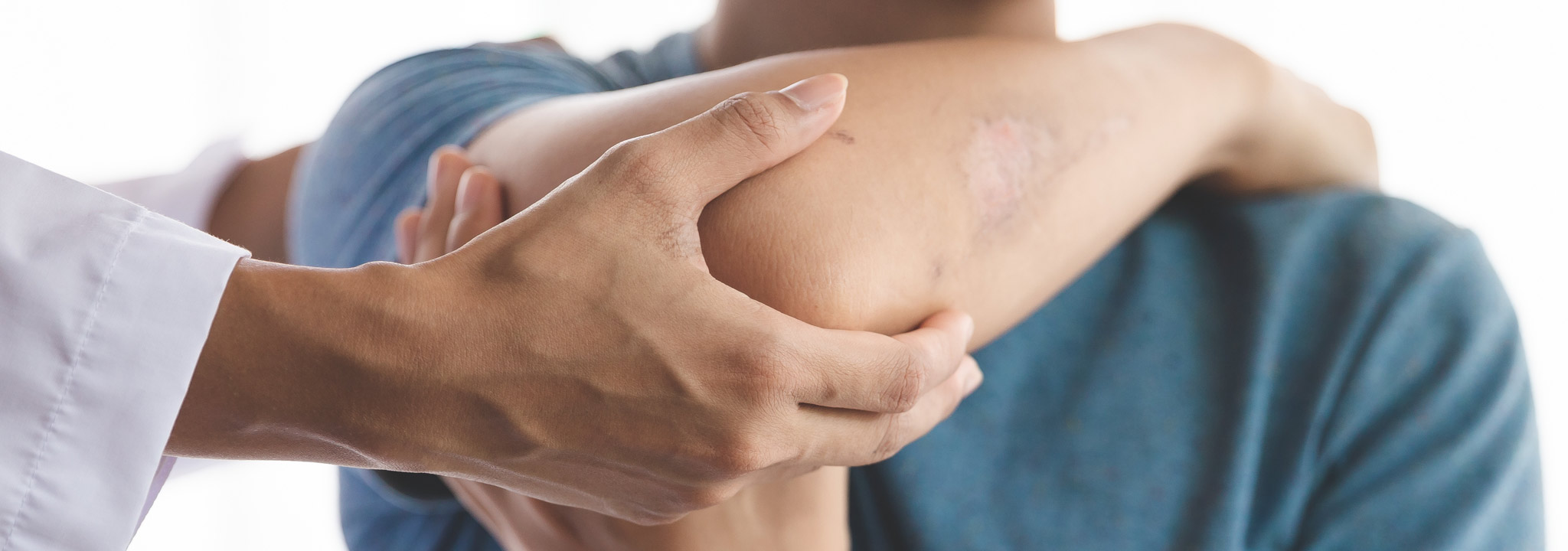
Dry Needling & Acupuncture
Dry needling and acupuncture can be used alongside rehabilitation to help manage pain, reduce muscular tension and support comfortable movement.
At Prana Sports Injury Clinic, these techniques are not used in isolation. Where appropriate, they form part of a wider treatment and rehabilitation plan based on your assessment, symptoms and individual goals.
Treatment may be considered for a range of musculoskeletal problems, including:
- Muscular pain and tightness
- Trigger points and localised muscle tenderness
- Neck and shoulder pain
- Lower back pain
- Sports and training-related muscular problems
- Persistent musculoskeletal pain
- Restricted or uncomfortable movement
- Symptoms associated with an ongoing injury or rehabilitation programme
The technique used will depend on your individual presentation and whether acupuncture or dry needling is considered appropriate.
Our Approach to Dry Needling & Acupuncture
Before treatment, we’ll discuss your symptoms, medical history and current activity and assess the area causing the problem.
Treatment may involve:
- Assessment of your pain and movement
- Identification of relevant muscular and soft-tissue involvement
- Dry needling of appropriate muscular trigger points
- Acupuncture techniques where clinically appropriate
- Soft tissue treatment where beneficial
- Mobility and movement work
- Exercise rehabilitation and strengthening
- Advice on activity, training and recovery
- Reassessment to monitor your response to treatment
Our focus is on combining appropriate treatment with active rehabilitation, rather than relying on needling alone, helping you work towards longer-term improvements in movement and function.
Method we follow to help you recover
Physiotherapy and rehabilitation can significantly help to reduce the problems associated with the hard transition from hospital to home.
To aid with mobility and help you to regain independence your physiotherapist will:
- Assess your capabilities and plan you a personalised physiotherapy programme to help you reach your goals
- Discuss your lifestyle and advise on how to achieve normality
- Look for any muscle weakness, joint stiffness, or balance issues and work on addressing them
- Assess your abilities to sit, stand, walk, and climb the stairs in your own home
- Review walking aids and check that they are suitable for you
- Suggest weaning you off your walking aids if you are safe to do so
- Advise on any equipment that might help you manage better in your home
- Help you to feel confident about managing your condition with advice and ongoing support
Our advise tips to help you progress
- Stay as active as you can
- Get fresh air as often as you can, even if it’s in a wheelchair
- Do your physiotherapy exercises daily
- Eat a well-balanced diet
- Keep hydrated
- Ensure your pain is controlled with suitable medication
- Wear non-slip shoes
- Consider adaptations in your home to make mobility easier