
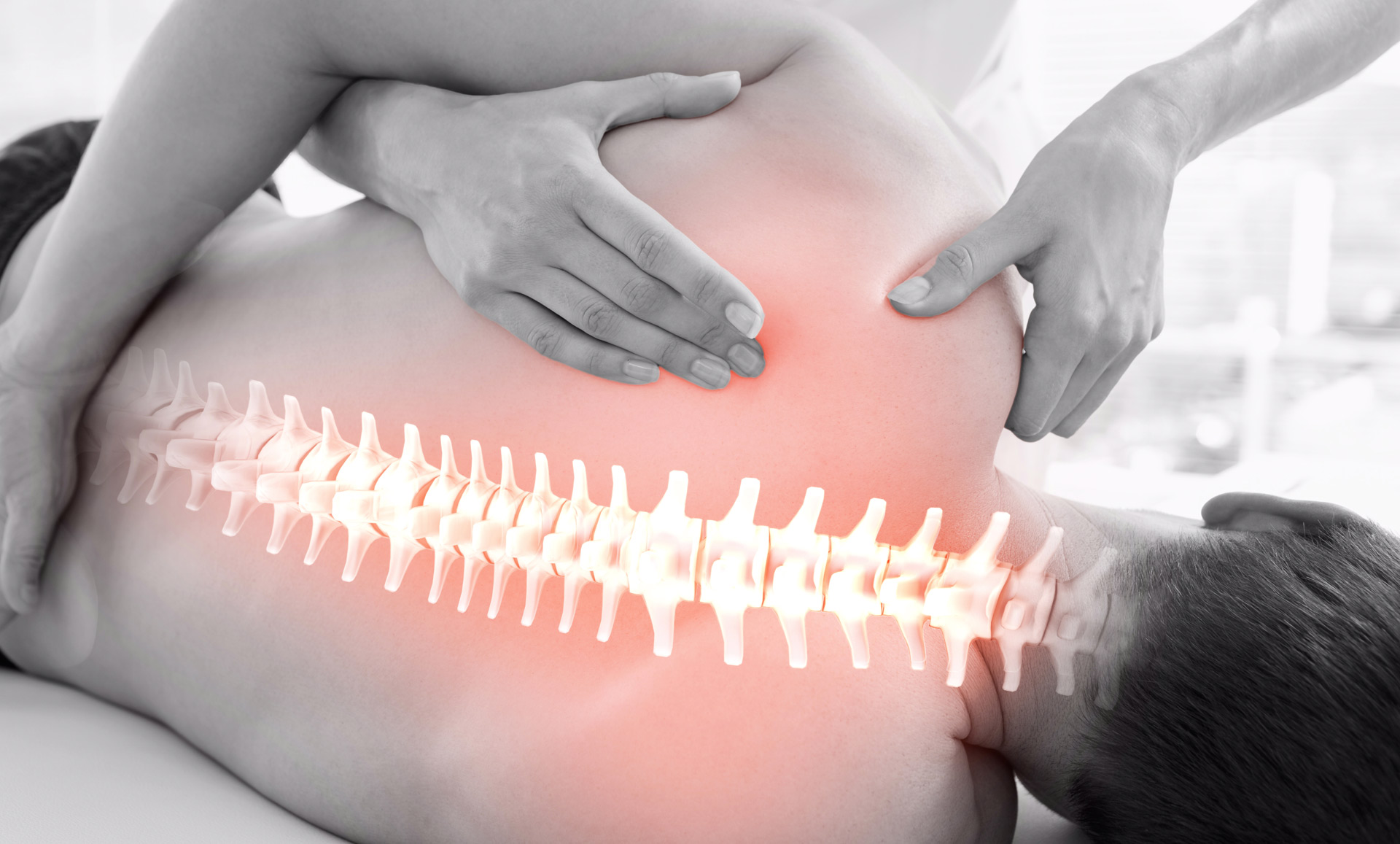
Sports injury rehabilitation
Sports Injury Assessment & Rehabilitation Sessions
Our sports injury sessions are tailored to your individual needs, whether you’re attending for a new injury, an ongoing problem or progressing through rehabilitation.
Initial Sports Injury Assessment – 60 Minutes
Your first appointment provides time for a comprehensive assessment to understand your symptoms, identify the factors contributing to your problem and establish a clear rehabilitation plan.
Your assessment may include:
- Discussion of your injury, symptoms and activity goals
- Joint range of motion and mobility assessment
- Muscle strength and flexibility testing
- Relevant clinical and orthopaedic tests
- Functional and movement assessment
- Initial treatment where appropriate
- Individual rehabilitation exercises
- A clear plan for your recovery and return to activity
Follow-Up Rehabilitation – 50 Minutes
Follow-up sessions focus on progressing your recovery and adapting your rehabilitation programme as your movement, strength and symptoms improve.
Sessions may include exercise rehabilitation and strengthening, mobility work, sports massage and soft tissue techniques, dry needling or acupuncture, taping and other appropriate treatment techniques.
Your progress will be regularly reassessed, with rehabilitation advanced towards your work, training, everyday activity or return-to-sport goals.
Method we follow to help you recover
Every successful rehabilitation programme starts with understanding the injury, how it affects you and what you want to get back to doing.
Your initial Sports Injury Assessment includes a detailed discussion of your symptoms and injury history, followed by a comprehensive physical assessment. This may include examination of movement, joint range of motion, muscle strength, flexibility, functional movement and relevant clinical tests.
From these findings, your Sports Rehabilitator will explain the likely nature of the problem and develop an individual rehabilitation and treatment plan based around your goals.
Your rehabilitation may include:
- Comprehensive musculoskeletal and sports injury assessment
- Joint range of motion, strength and functional movement testing
- Identification of muscular weakness, imbalance and movement restrictions
- Individual exercise rehabilitation and progressive strengthening
- Mobility and flexibility programmes
- Sports-specific and functional rehabilitation
- Sports massage and soft tissue techniques where appropriate
- Dry needling or acupuncture where appropriate
- Sports taping and supportive techniques
- Advice on activity modification, training load and recovery
- Progressive return-to-activity and return-to-sport planning
- Regular reassessment to monitor progress and adapt your rehabilitation programme
The aim is not simply to settle your symptoms, but to restore movement, rebuild strength and function, and give you a clear pathway back to the activities and sports that matter to you.
Our Advice to Help You Progress
Recovering from a sports injury isn’t simply about resting until the pain disappears. The right balance of activity, rehabilitation and progressive loading can help you rebuild strength and return safely to the activities you enjoy.
- Follow your individual rehabilitation programme consistently
- Keep active within comfortable and appropriate limits
- Avoid complete rest unless specifically advised
- Gradually rebuild strength, mobility and physical capacity
- Manage training load and avoid sudden increases in activity
- Don’t rush your return to sport because symptoms have started to improve
- Use pain and symptom response to help guide activity and rehabilitation
- Prioritise good sleep, hydration and adequate recovery
- Maintain a balanced diet that supports your training and recovery
- Progress towards sport-specific movements and demands before returning fully
- Continue appropriate strength and conditioning work after returning to sport to help reduce the risk of recurrence
Recovery is a progression, not a race. We’ll help you understand what you can do now and what needs to happen next to get you safely back to activity.